
Diseases
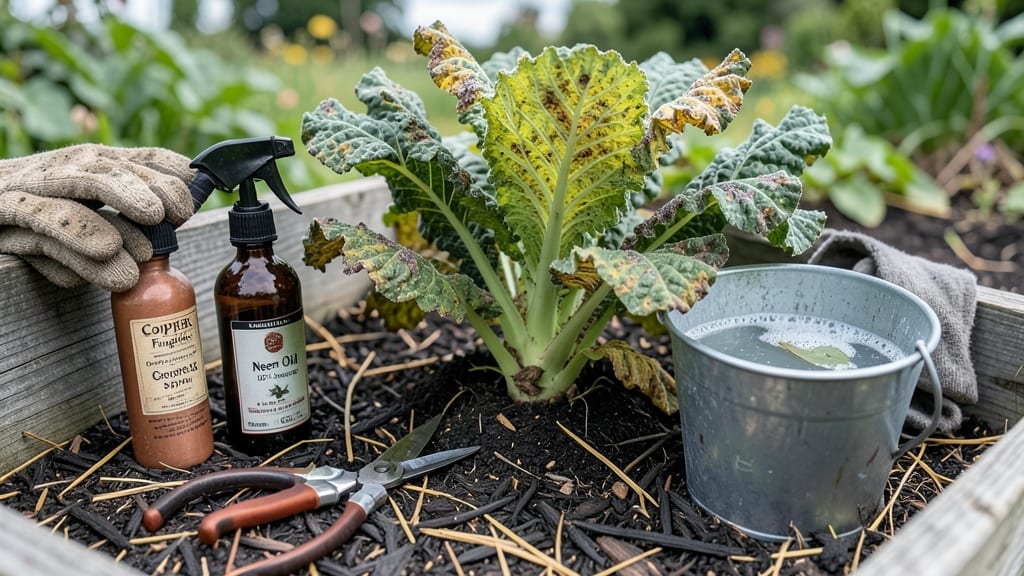
To remove fungus from your garden effectively, you need fast-acting solutions that stop the spread and restore your plants' health in just 24 hours.
Fungus in your garden doesn’t just ruin the look of your plants—it can kill them in days if left unchecked. The good news? Fast-acting, natural sprays can eliminate fungal infections within 24 hours and prevent future outbreaks before they start.
Whether you’re dealing with powdery mildew, rust, or blight, the key is acting quickly with the right treatments. Below, I’ll walk you through five proven sprays—from copper fungicide to baking soda—that work fast and keep your 🌱 General Garden Plants thriving without harsh chemicals.
You’ll also discover how to spot fungus early, treat it before it spreads, and implement long-term prevention strategies to protect your garden for seasons to come.
5 Fast-acting natural sprays to kill garden fungus in 24 hours
When you spot fungal infections like powdery mildew or black spot on your plants, time is critical. These natural fungicides work within 24 hours to stop the spread while being safe for most plants and the environment.
The key is choosing the right spray for your specific fungal issue and applying it correctly.
I’ve tested these five fast-acting solutions in my own garden, and they consistently deliver results without harsh chemicals. Whether you’re dealing with leaf spots, rust, or mold, these sprays target the root of the problem while protecting your plants’ health.
Let’s dive into the best options and how to use them effectively.
⚠️ Important Note: Always test sprays on a small area first, especially for delicate plants like roses or tomatoes. Some natural solutions can cause leaf burn if overused.
| Spray Type | Best For | Application Rate | Frequency | Safety Notes |
|---|---|---|---|---|
| Copper Fungicide | Late blight, early blight, leaf spots | 1 tbsp per gallon of water | Every 7-14 days | Safe for most plants; avoid overuse |
| Neem Oil | Powdery mildew, rust, fungal spores | 1-2 tbsp per gallon + 1 tsp mild soap | Every 5-7 days until cured | Non-toxic; apply in evening to avoid sunburn |
| Baking Soda Solution | Powdery mildew, early signs of fungus | 1 tbsp baking soda + 1 tsp oil + 1 gallon water | Every 7-10 days | Safe for veggies; avoid acidic soil plants |
| Hydrogen Peroxide (3%) | Root rot, soil-borne fungus, leaf infections | 1 part H2O2 to 4 parts water | Every 3-5 days for severe cases | Use immediately; don’t store mixed solution |
| Garlic Spray | Powdery mildew, soft rot, general prevention | 1 chopped garlic clove per quart water, steep 24 hrs | Every 7-10 days | Strong odor; avoid spraying near bees |
First up is copper fungicide, one of the most effective store-bought options for severe fungal infections like late blight or early blight. Copper works by disrupting the fungal cell walls, and it’s particularly useful for tomatoes, potatoes, and peppers.
Mix 1 tablespoon of copper fungicide per gallon of water and apply it in the early morning for best results.
For a natural alternative, neem oil is my go-to for powdery mildew and rust. It’s a systemic fungicide, meaning it gets absorbed into the plant’s leaves and protects against future spores.
Combine 1-2 tablespoons of neem oil with 1 teaspoon of mild soap (to help it stick) and 1 gallon of water. Spray thoroughly on both sides of the leaves, focusing on infected areas.
If you’re dealing with early-stage powdery mildew, a baking soda solution is a budget-friendly and safe option. Mix 1 tablespoon of baking soda, 1 teaspoon of horticultural oil, and 1 gallon of water.
This spray is gentle enough for vegetables and herbs but may not work for acid-loving plants like blueberries or azaleas.
Hydrogen peroxide (3%) is a powerhouse for root rot and soil-borne fungus. Dilute 1 part hydrogen peroxide to 4 parts water and apply directly to the soil and roots of infected plants. This solution kills fungus on contact, but it must be used freshly mixed—never store it for later use, as it loses potency quickly.
Lastly, a garlic spray is a homemade antifungal that’s been used for centuries. Blend 1 chopped garlic clove per quart of water and let it steep for 24 hours before straining.
The allicin in garlic acts as a natural fungicide and antibacterial agent. It’s especially effective for preventing powdery mildew and works well as a weekly preventive spray.
When applying any of these sprays, remove infected leaves first to prevent reinfection. Water your
Step-by-step guide to treating fungus before it spreads
Fungal infections like powdery mildew, black spot, and leaf rust can cripple your garden if ignored. The key to saving your plants is acting fast—within 48 hours of noticing symptoms.
Proper identification and targeted treatment prevent the fungus from spreading to healthy foliage or soil. Let’s tackle this step by step to restore your garden’s health safely and effectively.
Start by identifying the fungus type—each requires a slightly different approach. Powdery mildew appears as white, powdery patches, while black spot shows up as dark, circular lesions. Rust fungi create orange-brown pustules on leaves.
Use a magnifying glass if needed to confirm. Once identified, you’ll know whether to focus on surface sprays or soil treatments.
-
Step 1: Prune Infected Areas
Use sterilized pruners to cut off infected leaves or stems. Dispose of clippings in the trash—not your compost—to prevent reinfection. Focus on edges of infected zones to contain spread.
-
Step 2: Clean Tools and Surfaces
Wipe down pruners with 70% isopropyl alcohol or a 10% bleach solution. Scrub pots and garden tools to remove spores. This step is critical to avoid cross-contamination.
-
Step 3: Apply Fungicide Spray
Choose a targeted fungicide like neem oil (for mildew) or copper fungicide (for rust/blight). Mix according to package instructions and spray undersides of leaves thoroughly. Reapply every 7-10 days until symptoms disappear.
-
Step 4: Improve Airflow
Fungus thrives in humid, stagnant air. Space plants 3-6 inches apart and remove crowded foliage. Use a fan on low for 10-15 minutes daily to circulate air around susceptible plants like roses or tomatoes.
-
Step 5: Adjust Watering Habits
Water at soil level (not overhead) to keep leaves dry. Use a drip irrigation system or watering can with a narrow spout. Aim for morning watering to allow foliage to dry before evening humidity sets in.
-
Step 6: Apply Preventative Mulch
Spread 2-3 inches of organic mulch (straw or wood chips) around plant bases. This blocks spores from splashing onto leaves and retains moisture without oversaturating soil. Avoid thick layers that trap dampness.
-
Step 7: Monitor and Repeat
Check plants daily for new symptoms. If fungus reappears, rotate sprays (e.g., alternate baking soda solution with hydrogen peroxide spray). For severe cases, consult a local extension service for professional advice.
Protecting beneficial insects like ladybugs and bees is easy—apply sprays early in the morning or late evening when pollinators are least active. Avoid chemical fungicides like chlorothalonil near flowering plants.
Instead, opt for organic options that target fungus without harming wildlife. Patience is key; some plants may take 2-3 weeks to fully recover.
Once your plants are fungus-free, focus on preventative care to keep outbreaks at bay. Regularly inspect foliage, rotate crops, and sterilize tools between uses. A healthy garden starts with proactive habits—not just reactive treatments. Your efforts will pay off with lush, vibrant plants all season long.