
How To
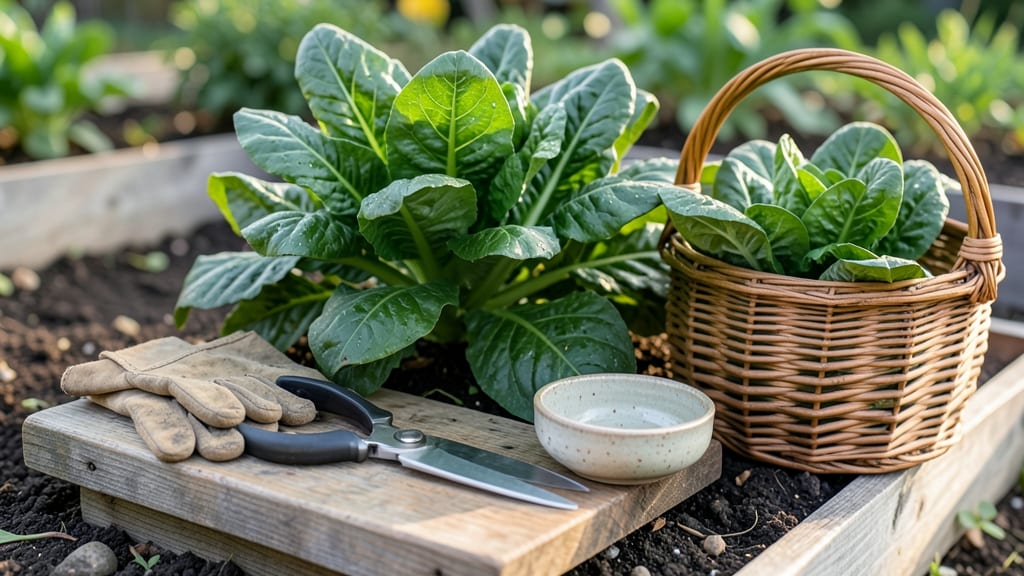
To harvest romaine lettuce from your garden at the perfect time means crisp, flavorful leaves every time — and avoiding the bitter, tough greens that ruin a salad.
Picture this: you’ve nurtured your 🥬 plants through spring’s crisp mornings, and now they’re ready to shine. But if you wait too long, those tender leaves turn woody or bolt into seed stalks faster than you can say "wilted greens."
The key is acting when the outer leaves hit 6–8 inches, firm but still pliable, and the color stays deep green—not pale or yellowing.
Harvesting doesn’t have to be a guess. Whether you’re snipping individual leaves or cutting the whole head, I’ll walk you through the exact techniques to keep your romaine producing for weeks—not just one sad harvest.
Plus, I’ll show you how to store what you pick so it stays fresh longer than store-bought.
Ready to turn your garden into a never-ending salad bar? Let’s dive into the step-by-step secrets for harvesting romaine like a pro—so you’re always biting into the freshest, crispiest leaves possible.


When to harvest romaine lettuce for maximum freshness and flavor
Timing your romaine lettuce harvest is everything—pick too early, and you miss peak flavor; too late, and the leaves turn bitter or bolt. The ideal window balances leaf size, stem firmness, and weather conditions to ensure crisp, tender greens every time.
I’ve learned the hard way that ignoring these cues leads to wasted harvests, so let’s dive into the exact signals your plants send.
For loose-leaf romaine, harvest when outer leaves reach 6-8 inches long—they should be fully elongated but still pliable, not woody. The deep green color is your best indicator of readiness; pale or yellowing leaves mean it’s past its prime.
I always check the stem thickness too—it should feel firm, not soft or hollow, which signals overmaturity. These visual cues save me from bitter harvests every season.
If you’re growing head romaine, wait until the entire head forms a tight, upright shape—typically 50-70 days after sowing. The outer leaves should curl slightly at the edges, and the core should still be tender.
I once harvested too early and ended up with a loose, floppy head that didn’t hold together. Patience pays off here!
Weather plays a surprising role in harvest timing. Cool mornings (below 75°F) are ideal—leaves taste sweeter and crispier. If temperatures climb above 80°F, your romaine may bolt (send up a flower stalk) within days.
I’ve had to rush harvests during heatwaves, which is why I now prioritize shade cloth in summer gardens. Even a 30% shade cover can extend your harvest window by weeks.
Seasonal timing matters too. In spring, aim to harvest 4-6 weeks after transplanting (around May-June in most climates). For fall crops, harvest 8-10 weeks after sowing (typically September-Octoberboth seasons by adjusting plant spacing and watering—fall crops need slightly more nitrogen to recover from summer heat.
Avoid these harvesting mistakes that ruin your crop: cutting the entire plant at once (always leave the inner leaves to regrow) or harvesting during hot afternoons (leaves wilt faster). I’ve also learned to never harvest wet leaves—they bruise easily and spoil quicker.
Always use a sharp knife or scissors to cut just above the outer leaf base, leaving a clean cut that heals faster.
For year-round gardens, succession planting is key. Sow new seeds every 2-3 weeks in spring and 3-4 weeks in fall to stagger harvests. I’ve extended my season by 3 months using this method, plus adding a cold frame for late-fall harvests.
Even in winter, a lightweight row cover can protect tender romaine from frost while keeping it harvestable.
Pro tip: Taste-test a leaf before full harvest—if it’s too bitter, it’s past its prime. I’ve saved many a harvest by pulling a single leaf for a quick check.
Pair this with proper storage (wrap in damp paper towels, refrigerate in a sealed container) to keep your romaine fresh for up to 10 days
🥬
Step-by-step romaine lettuce harvesting techniques for home gardeners
Harvesting romaine lettuce at the right time ensures tender, crisp leaves packed with flavor. For loose-leaf varieties, you can pick individual leaves as they reach 6-8 inches, while head varieties should be cut when the entire head feels firm and compact.
Timing is everything—harvest too early, and you’ll miss out on full flavor; too late, and the leaves may turn bitter or bolt.
Use the right tools to make harvesting efficient and gentle on your plants. A sharp knife or clean pruning shears work best for cutting heads, while your fingers are perfect for plucking individual leaves.
Avoid dull tools, as they can crush stems and invite pests. Always sanitize your tools with a 10% bleach solution or rubbing alcohol before use to prevent disease spread.
How to Harvest Romaine Lettuce from Garden
- 1 Check maturity: Look for deep green leaves (6-8 inches long) and a firm, upright stem. For heads, ensure they’re tightly packed but still pliable.
-
2
Choose your method:
- • Individual leaves: Gently pinch leaves at the base, leaving 1 inch of stem attached.
- • Full head: Use a sharp knife to cut 1 inch above the base at a 45° angle.
- 3 Avoid common mistakes: Never pull leaves forcefully (this damages the plant) or cut more than one-third of the head at once. For loose-leaf types, harvest outer leaves first to encourage regrowth.
- 4 Handle post-harvest care: Rinse leaves in cool water and pat dry with a clean towel. Store in a plastic bag with a paper towel to absorb moisture, or keep whole heads in the fridge for up to 10 days.
- 5 Troubleshoot pests/damage: If you notice chewed leaves or yellowing edges, inspect for slugs, aphids, or flea beetles. Remove affected leaves immediately and treat with neem oil or soapy water if needed.
For head varieties, cutting the entire head at once gives you the most flavorful yield, but you’ll need to replant for future harvests. If you prefer continuous harvesting, stick to picking outer leaves and avoid cutting into the inner core.
This method can extend your harvest window by 3-4 weeks while keeping the plant productive.
After harvesting, monitor your romaine plants for signs of stress. If leaves appear wilted or discolored, increase watering slightly and ensure they’re getting 4-6 hours of sunlight daily. Mulch around the base with straw or shredded leaves to retain moisture and prevent weeds from competing with your lettuce.
With the right techniques, you’ll enjoy a steady supply of crisp, homegrown romaine all season long—no bitter aftertaste or wasted effort. Happy harvesting! 🥬✂️🌱