Size
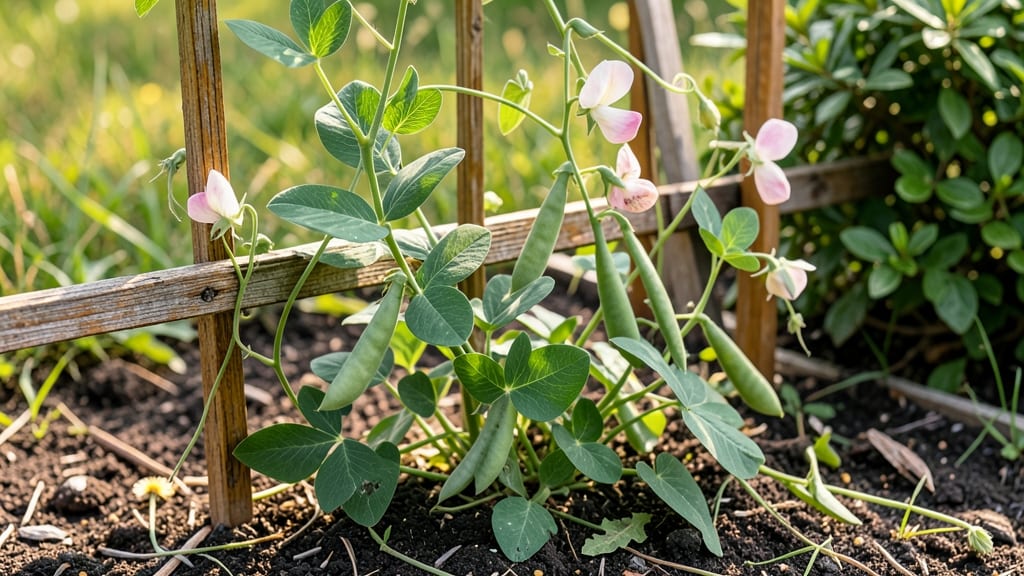
Garden peas grow anywhere from 1 to 6 feet tall, depending on the variety—whether you’re dealing with compact bush types or vigorous vines that need a sturdy trellis.
If you’re planning a vertical garden or trellis system for garden peas 🌱, knowing their mature height is key to maximizing space and yield—yet many varieties differ dramatically, from compact bush types to towering vines.
Taller varieties like Sugar Snap or Telephone peas can climb 4 to 6 feet, while dwarf varieties like Little Marvel stay under 2 feet. The right support structure makes all the difference in keeping plants healthy and productive.
Below, I’ll break down the height ranges by variety, trellising tips, and how to choose the best support for your garden layout—so you can grow peas efficiently, no matter how much space you have.

Garden pea height by variety: tallest vs shortest growing types
Choosing the right garden pea variety isn’t just about flavor—it’s about space planning. Some varieties stay compact at just 12 inches tall, while others climb to 6 feet or more without proper support.
Knowing these differences helps you design trellises, maximize vertical space, and avoid overcrowding in small gardens. I’ve grown everything from dwarf sugar snaps to towering telephone peas, and the height variations are staggering!
Pea heights fall into three main categories: bush types (1–2 ft), semi-dwarf climbers (2–4 ft), and full-size vines (4–6+ ft). The tallest varieties need sturdy trellises or fences, while shorter types thrive in containers or ground-level beds.
Let’s break down the most popular varieties by their mature heights and trellis needs to help you plan your garden layout.
🌱 Comparison Table: Garden Pea Heights by Variety
If you’re working with limited space, dwarf varieties like 'Sugar Sprint' are perfect for containers or window boxes. These stay under 18 inches tall and don’t require trellises, making them ideal for urban gardeners.
For larger gardens, sugar snap peas like 'Super Sugar Snap' climb to 5 feet, while telephone peas can reach 7 feet or taller with proper support.
Pro tip: Semi-dwarf varieties (like 'Oregon Sugar Pod') strike a balance at 2–3 feet. They need light trellis support but won’t overwhelm small gardens. I’ve used bamboo stakes or netting for these, which are budget-friendly and easy to install.
For the tallest varieties, invest in 6-foot trellises or chain-link fences to prevent vines from flopping over.
Height also affects harvesting ease. Taller vines produce more peas but require ladders or stools to reach the top pods. Shorter varieties are easier to pick but yield less.
For example, 'Green Arrow' shelling peas (2–4 ft) are a great middle-ground choice—they’re tall enough for good production but still manageable without a ladder.
One mistake I’ve seen gardeners make is underestimating trellis height. A 5-foot trellis won’t support 6-foot peas, leading to tangled vines and poor airflow. Always choose a trellis 1–2 feet taller than the pea variety’s mature height.
For instance, if planting 'Telephone' peas, opt for a 7-foot fence or trellis to accommodate their vigorous growth.
For small-space gardens, consider vertical trellis systems like A-frame designs or wall-mounted netting. These save floor space while still supporting tall varieties. I’ve even grown 4-foot sugar snaps in a 10-gallon container with a simple tomato cage—proof that height doesn’t always require a large footprint!
Finally, remember that pea height affects pollination. Taller varieties benefit from better airflow, reducing disease risk, while shorter types may need hand-pollination in rainy climates. If you’re growing multiple varieties, space them by height to avoid shading smaller plants.
For example, place dwarf peas at the front of a raised bed and tall climbers at the back.
Now that you know the height range, you can plan your trellis system with confidence—whether you’re aiming for a compact container garden or a room-filling vertical display! 🌿
How pea vine height affects trellis selection and garden layout
Choosing the right trellis for your garden peas isn't just about aesthetics—it's about supporting their mature height while maximizing your garden's vertical space. Tall varieties like 'Telephone' or 'Mammoth Melting Sugar' can reach 6 feet or taller, while dwarf types like 'Little Marvel' stay under 2 feet.
The trellis you select will directly impact how well your peas grow, how easy they are to harvest, and even your yield.
For small-space gardens, compact varieties paired with low-profile trellises (like A-frame cages or short bamboo stakes) save space without sacrificing productivity. Meanwhile, large-scale gardens benefit from taller, more durable trellises like wooden lattice panels or metal arch systems that can handle multiple vines.
The key is matching your trellis to both the pea variety and your garden's layout.
Spacing recommendations also depend on vine height. Tall varieties need 3-4 feet between plants to avoid overcrowding, while dwarf peas can thrive with just 1-2 feet of space. Proper spacing ensures good airflow, reducing disease risk and making harvesting easier. Whether you're working with a container garden or a raised bed, planning for both height and spacing upfront will save you headaches later.
Trellis Material Guide by Pea Height
- Dwarf Peas (1-2 ft): Use small cages (6-12 inches tall) or bamboo stakes (1-2 feet). Ideal for containers or window boxes.
- Medium Peas (3-4 ft): Opt for A-frame trellises (3-4 feet tall) or netting panels (4 feet wide). Perfect for raised beds or small plots.
- Tall Peas (5-6+ ft): Install wooden lattice (6-8 feet tall) or metal arches (5-7 feet). Best for large gardens or vertical garden walls.
- All Heights: Pea netting (4-6 feet) is versatile and budget-friendly, while cattle panels (6-8 feet) work for heavy vines like 'Mammoth' types.
Pro Tip: For heavy-producing varieties, reinforce trellises with stakes or guy wires to prevent sagging.
When planning your garden layout, consider vertical growth patterns. Climbing peas will twist around supports in a spiral, while bush peas may only need minimal height. If you're growing multiple varieties, place taller types at the back of your bed or along fences to avoid shading shorter plants.
For container gardens, use freestanding trellises or hanging baskets with netting to create a vertical display.
Don’t overlook the importance of trellis stability. Heavy pea vines can weigh down flimsy supports, especially after rain. If you're using bamboo stakes, bury them 6-8 inches deep or tie them to a permanent post.
For netting or cages, secure them tightly to a sturdy frame to prevent collapsing. A well-anchored trellis ensures your peas grow straight and strong, not bent or broken.
For urban gardeners with limited space, think outside the traditional row. Train peas to grow along fences, pergolas, or even trellised planters on balconies. Vertical gardening not only saves space but also makes harvesting easier—no more bending over!
Just ensure your trellis is wide enough to accommodate the vine’s spread, especially for high-yielding varieties like 'Sugar Ann.' With the right setup, you can grow 2-3 times more peas in the same footprint.