
Tools
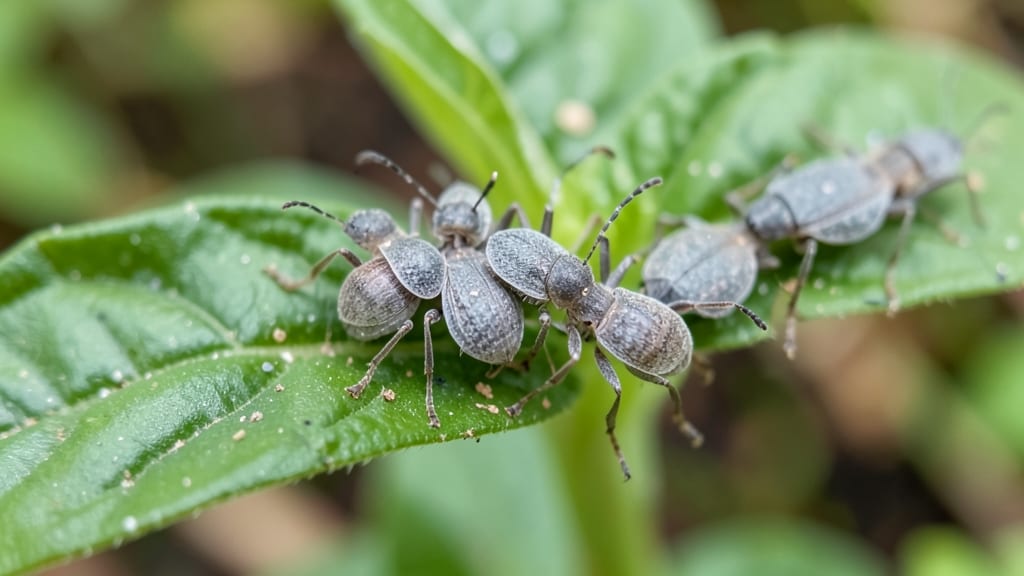
Gray bugs in your garden aren’t always the pests you think 🐜🚫 — some are harmless, while others can wreak havoc on your plants. If you’ve ever spotted tiny gray creatures scurrying through your soil or leaves, you know how unsettling it can be.
But here’s the catch: not every gray bug is a villain. Daddy longlegs (harvestmen) with their long legs and delicate bodies are actually beneficial, feasting on smaller pests. Meanwhile, slugs, fungus gnats, or mealybugs can silently destroy your garden if left unchecked.
This guide helps you tell the difference between harmless visitors and real threats, so you can act fast when needed. You’ll learn how to identify them, what damage to watch for, and the best ways to protect your garden—without harsh chemicals.
From simple traps to natural deterrents, we’ve got you covered. Let’s get started!
How to identify gray harvestmen (daddy longlegs) vs. harmful garden pests
Spotting gray bugs in your garden doesn’t always mean disaster—many are harmless harvestmen (often called daddy longlegs), while others like earwigs or spider mites can wreak havoc. The first step is leg count: harvestmen have 12 long legs, while most pests have 6 or 8.
I’ve seen gardeners panic over these creatures only to realize they’re actually helpful allies.
Harvestmen are beneficial predators that feed on smaller pests like aphids and mites, but their gray, oval bodies and delicate legs can look alarming up close. Meanwhile, true pests often hide in soil, under leaves, or leave behind visible damage like chewed foliage or silvery trails.
Let’s break down the key differences so you can tell friend from foe at a glance.
🔍 Key visual clue: Harvestmen have two small eyes on raised bumps, while earwigs have prominent pincers and slugs leave behind slime trails. Spider mites, though tiny, create fine webbing on leaves. Knowing these details saves time and prevents unnecessary panic.
| Feature | Harvestmen (Daddy Longlegs) | Earwigs | Spider Mites | Slugs |
|---|---|---|---|---|
| Leg Count | 12 long legs | 6 legs | 8 legs | No legs |
| Body Shape | Oval, gray, flat | Elongated, brown | Tiny, round, red/yellow | Soft, gray, slimy |
| Movement | Slow, skittish | Fast, curvy paths | Rapid, erratic | Slow, leaves trails |
| Damage Signs | None (harmless) | Chewed leaves | Fine webbing, stippling | Holes in leaves |
| Time Active | Night/dusk | Night | Day (hot weather) | Night (humid) |
Harvestmen are nocturnal, so you’ll rarely see them during the day. They prefer damp, shady areas like under mulch or rocks, where they hunt for pests. If you spot one during daylight, it might be stressed or searching for food—no need to intervene.
Their harmless nature makes them a gardener’s secret weapon against smaller bugs.
Earwigs, on the other hand, are true pests that curl into a C-shape when threatened. Look for their pincers (forceps) and check for chewed leaf edges or holes in flowers. They thrive in moist, dark spots, so reducing mulch thickness or improving drainage can deter them.
I’ve found that diatomaceous earth around plant bases works wonders for keeping them away.
Spider mites are microscopic but leave behind visible clues: tiny yellow dots on leaves (their feeding marks) and fine webbing, especially on the undersides of leaves. Unlike harvestmen, they multiply rapidly in dry, hot conditions.
A strong spray of water can knock them off plants, but for severe infestations, neem oil is my go-to organic solution.
Slugs might not have legs, but their silvery trails and irregular holes in leaves are unmistakable. They’re most active after rain or at night, leaving a glossy slime trail behind.
Beer traps or copper barriers are effective ways to manage them without harming other garden creatures. I’ve even used crushed eggshells as a natural deterrent around vulnerable plants.
Gray harvestmen—often called daddy longlegs—are those delicate, eight-legged creatures scurrying across your garden mulch or patio stones. While their long legs and slender bodies make them look like spiders, they're actually harvestmen, a different order of arachnids. The good news? These guys are harmless to humans and can even help your garden by eating pests like aphids and mite eggs. However, their presence might also signal hidden moisture issues in your garden. Harvestmen thrive in damp, shaded areas, so finding them in large numbers could mean your soil stays too wet or your plants lack airflow. Let's break down their benefits, potential risks, and how to manage them naturally.Are gray harvestmen safe? Benefits and risks in your garden ecosystem
One of the biggest benefits of harvestmen is their role as natural pest control. Unlike spiders, they don't spin webs but actively hunt for soft-bodied insects like aphids, which are common garden pests.
A single harvestman can consume hundreds of aphids in its lifetime, making them a free, organic pest management solution. If you spot them, consider it a sign your garden has a healthy balance of predators.
That said, harvestmen aren't always a positive indicator. Their preference for moist, shaded environments means they often appear where your garden might have hidden problems. For example, if you notice them clustering under mulch or rocks, it could mean those areas stay too damp.
This excess moisture can lead to root rot or fungal diseases in your plants. Check for yellowing leaves or mushy stems near where you see them.
If you want to encourage harvestmen in your garden, focus on creating diverse habitats. Leave some leaf litter or mulch piles in shaded areas—they love hiding there. Avoid over-tidying your garden, as these creatures need natural shelters.
On the other hand, if you're dealing with excess moisture, improve drainage by adding compost or sand to heavy soils and prune plants to enhance airflow.
To discourage harvestmen if they're overrunning your garden, reduce moisture levels by watering early in the day and avoiding overhead irrigation. You can also remove mulch from problem areas temporarily.
However, there's no need for chemical pesticides—these creatures are too small and delicate to harm with most organic sprays, and they're beneficial allies in your garden's ecosystem.
Remember, harvestmen are just one piece of your garden's complex food web. Their presence is usually a sign of a healthy, balanced environment, not a problem. Next time you see them scurrying around, take it as a compliment—they're helping keep your plants pest-free and thriving! 🌿