
Pruning
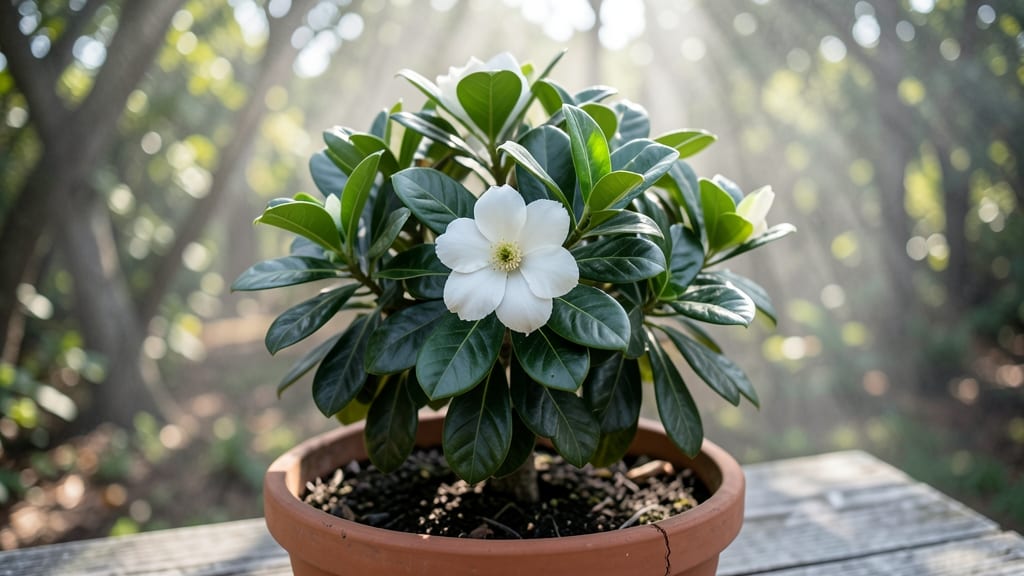
A gardenia tree’s mature size can range from 3 feet to towering 15 feet, depending on the variety you choose—and where you plant it.
If you’re dreaming of fragrant white blooms but worried about whether a gardenia tree will overwhelm your yard, understanding its mature size is the first step to perfect placement—and avoiding pruning nightmares later.
Standard varieties like Gardenia jasminoides can reach 8 to 15 feet tall, while dwarf types stay compact at 3 to 5 feet. That means your gardenia could end up as tall as a doorframe or as small as a shrub, depending on your goals.
In this guide, I’ll break down how fast they grow, how to control their size with pruning, and the best spots to plant them so they thrive without taking over your space.

Gardenia tree size by variety: how tall will yours grow?
Choosing the right gardenia variety isn’t just about fragrance—it’s about space planning. A standard gardenia jasminoides can tower over your patio, while dwarf varieties fit snugly in containers. Let’s break down the mature heights and spread expectations so you can pick the perfect fit for your garden.
Most gardenias fall into three size categories: dwarf (3–5 ft), semi-dwarf (5–8 ft), and standard (8–15 ft). Your yard layout and pruning goals will determine which one thrives best.
For example, a 6-foot gardenia works beautifully as a privacy screen, while a 3-foot dwarf adds elegance to a balcony.
Below, you’ll find a side-by-side comparison of the most popular varieties, including their growth rates, spread width, and ideal planting spots. This will help you visualize how each variety will look in your space—and whether you’ll need to prune aggressively to keep it in check.
If you’re working with limited space, dwarf varieties like Gardenia augusta or cascade types are game-changers. They thrive in 15-gallon containers and can even be grown indoors near bright windows. Just remember: container gardening means more frequent watering and fertilizing to compensate for root restriction.
For larger landscapes, standard varieties like Gardenia jasminoides make stunning specimen plants or hedge rows. Their rapid growth means they’ll fill out quickly, but they’ll also need regular pruning to maintain shape.
Plan for 6–12 inches of new growth per year, and budget space for their eventual spread width.
One factor that often surprises gardeners? Growth rate slows after the first 3–5 years. Young gardenias can shoot up 18 inches in a single season, but mature plants grow more steadily.
This means your 5-year-old gardenia might only gain 6 inches per year after reaching full height. Patience pays off with heavier blooms and stronger fragrance!
Before planting, check your local climate zone. Gardenias thrive in USDA Zones 8–11, but cold-hardy varieties like Kleim’s Hardy can survive brief dips to 20°F. If you’re in a cooler zone, opt for container-grown plants that you can bring indoors during winter.
Pro tip: Soil pH dramatically affects size. Gardenias crave acidic soil (pH 5.0–6.5)
How fast do gardenia trees grow? Seasonal growth patterns explained
If you’ve ever wondered how quickly your gardenia tree will reach its full potential, the answer depends on its variety and growing conditions. Most gardenias grow at a moderate pace, adding about 6–12 inches per year under ideal circumstances.
However, tropical climates can push this growth to 18+ inches annually, while cooler zones may slow it down. Understanding these patterns helps you plan for pruning and space management from day one.
Gardenia trees experience most of their growth during spring and summer, with a noticeable flush of new leaves and stems after winter dormancy. In USDA zones 8–11, where gardenias thrive, this seasonal growth can be dramatic—especially in the first 3–5 years of life.
For example, a young gardenia might shoot up 1–2 feet in a single growing season if given plenty of water, sunlight, and acidic soil.
| Factor | Growth Impact | Seasonal Notes |
|---|---|---|
| Annual Growth Rate | 6–12 inches | Peaks in spring/summer |
| Tropical Zones (8–11) | 12–18+ inches | Year-round growth possible |
| Cooler Zones (7 or below) | 3–6 inches | Dormant in winter |
| First 3 Years | Rapid growth | Establishes root system |
| Mature Size (Years 5+) | Slower growth | Focuses on blooms |
Climate plays a huge role in how fast your gardenia grows. In USDA zone 10 or 11, where temperatures rarely dip below 40°F, gardenias can grow almost continuously. I’ve seen gardenias in Florida add 2 feet in a single year if given rich, well-draining soil and consistent moisture.
Meanwhile, in zone 8, growth may slow to a crawl during winter months, with most activity concentrated between April and October.
If you’re growing a gardenia in a container, expect slightly slower growth compared to in-ground plants. Root-bound conditions can stunt height gains, but you can encourage bushier growth by pruning back leggy stems in early spring.
For in-ground plantings, focus on mulching to retain moisture and fertilizing with acidic plant food every 4–6 weeks during the growing season to fuel faster growth.
One common mistake gardeners make is assuming all gardenias grow at the same rate. Dwarf varieties, like Gardenia jasminoides ‘Kleim’s Hardy’, may only reach 3–5 feet tall, while standard types can tower over 10 feet.
Always check the variety’s tag for expected growth habits—this will save you from surprises down the road. For example, the ‘Radicans’ variety is known for its sprawling habit, while ‘Veitchii’ stays more compact.
To manage rapid growth in tropical climates, I recommend light pruning after each flush of new growth. This keeps the plant from becoming too leggy and ensures energy goes toward producing those fragrant blooms you love.
In cooler climates, hold off on pruning until late winter or early spring to avoid damaging new growth that might not survive frost. With the right approach, you can enjoy a perfectly sized gardenia that thrives year after year.